Cutting boards,
made by hand.
Exotic and domestic hardwoods, glued up and finished one board at a time. Pick a signature pattern, or lay out your own.
From $195. Made to order, shipped free in the US.
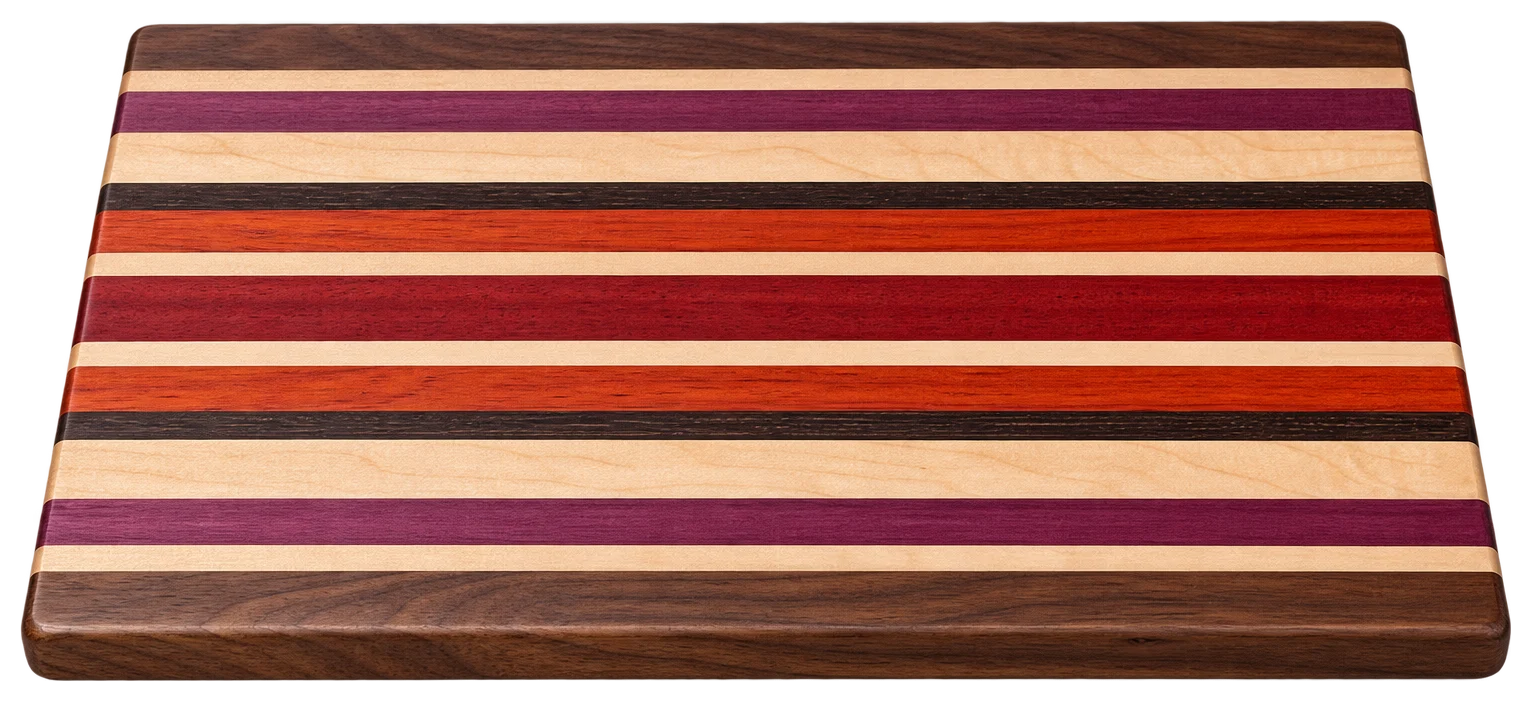
Three signature boards
Each board is made to order, so the grain on yours is its own. All are ¾ inch thick and ship within two weeks.
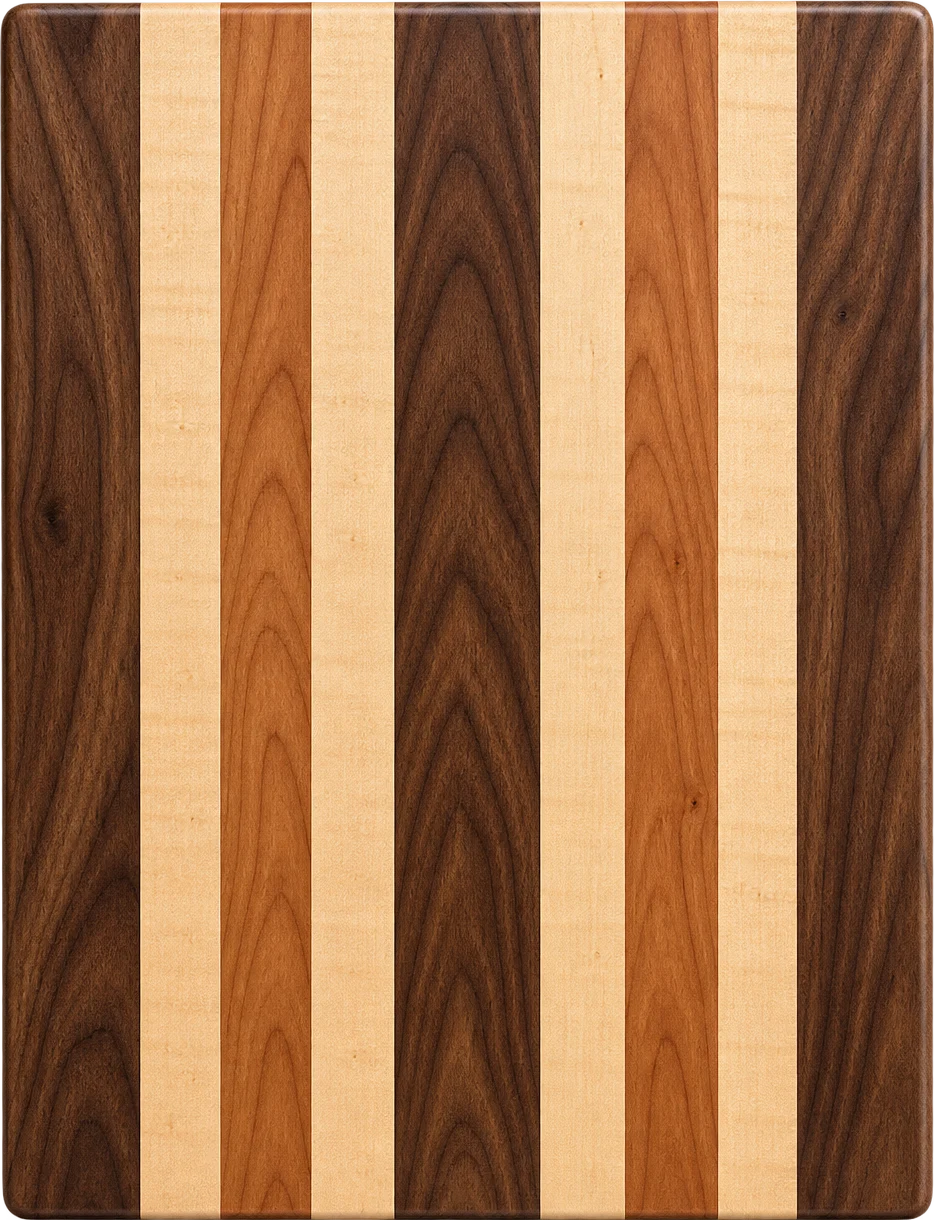
The Heritage
$195Walnut, cherry and maple. 16 × 10½ in.
The one to start with. North American woods in an even stripe that suits any kitchen.
Order by email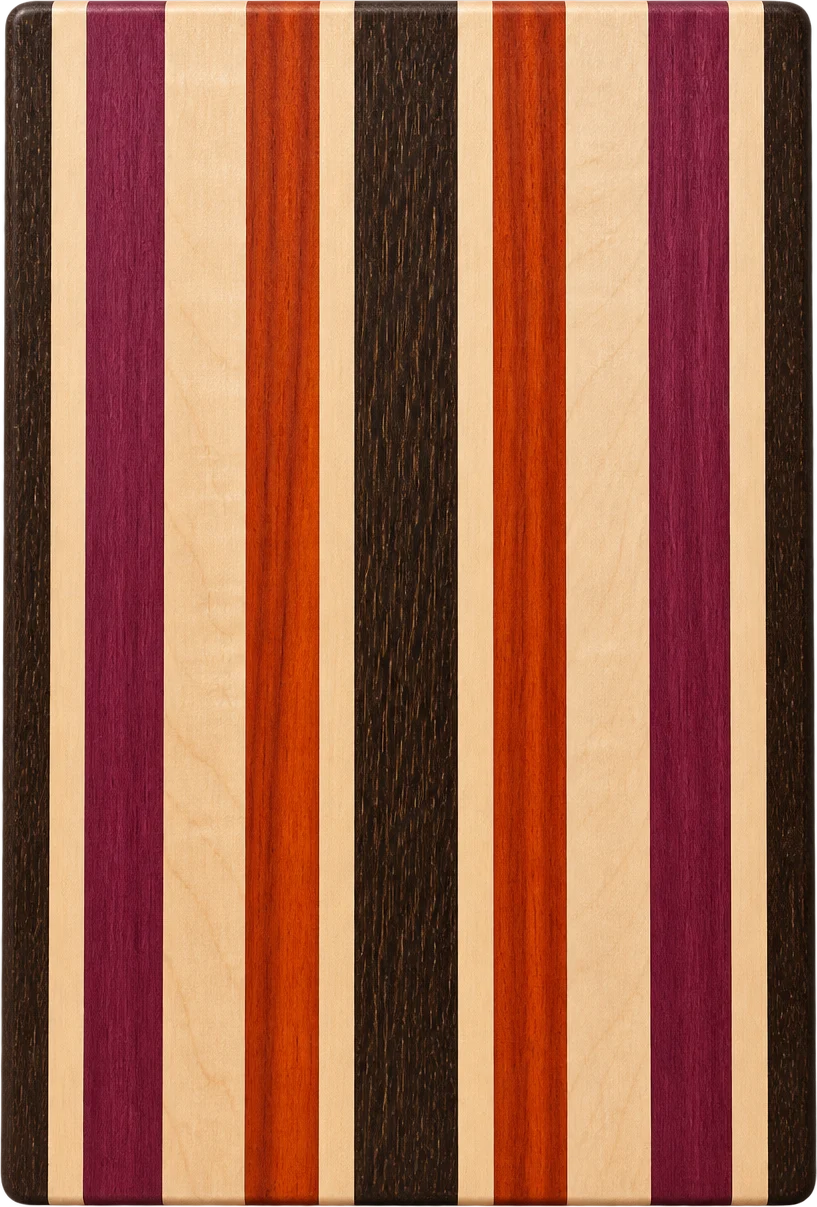
The Exotic
$245Purpleheart, padauk, wenge and maple. 16 × 10½ in.
Woods from three continents, mirrored so the board reads the same from either end.
Order by email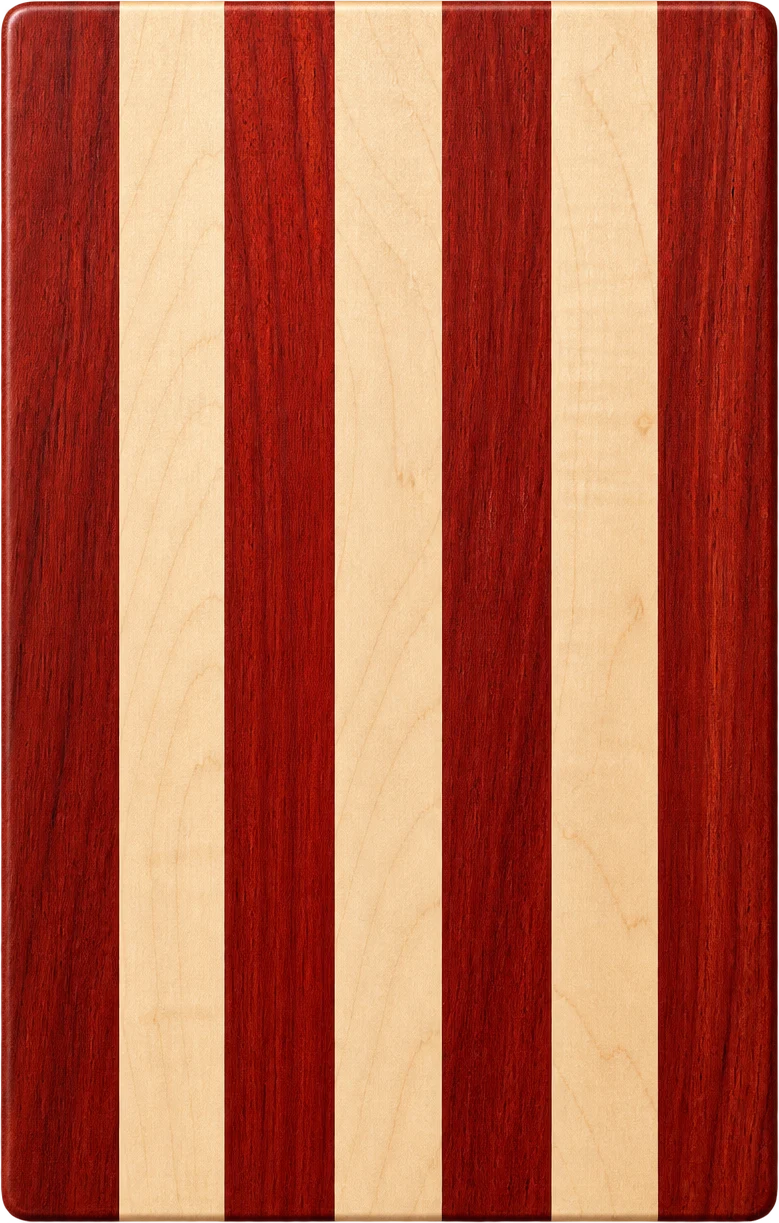
The Candy Cane
$225Bloodwood and maple. 16 × 9½ in.
Wide bands of red and pale. Simple, and the hardest-wearing board we make.
Order by email
How a board gets made
Kaizen is Japanese for continuous improvement. Every board teaches us something, and we carry it into the next one.
Lay out the strips
Strips are arranged for colour and grain, flipped and swapped until the pattern sits right.
Glue and clamp
Strips are glued edge to edge with waterproof, food-safe glue and clamped overnight.
Plane and trim
Once the glue cures, the blank is planed flat and the ends are trimmed square.
Shape and sand
Edges are rounded over, then the whole board is sanded by hand from 80 up to 400 grit.
Oil and wax
Several coats of mineral oil soak into the grain, then a beeswax top coat seals it.
Seven woods, nothing else
Hardness is measured on the Janka scale. Anything above about 1,000 lbf shrugs off daily chopping, and the softer woods are kinder to your knives.
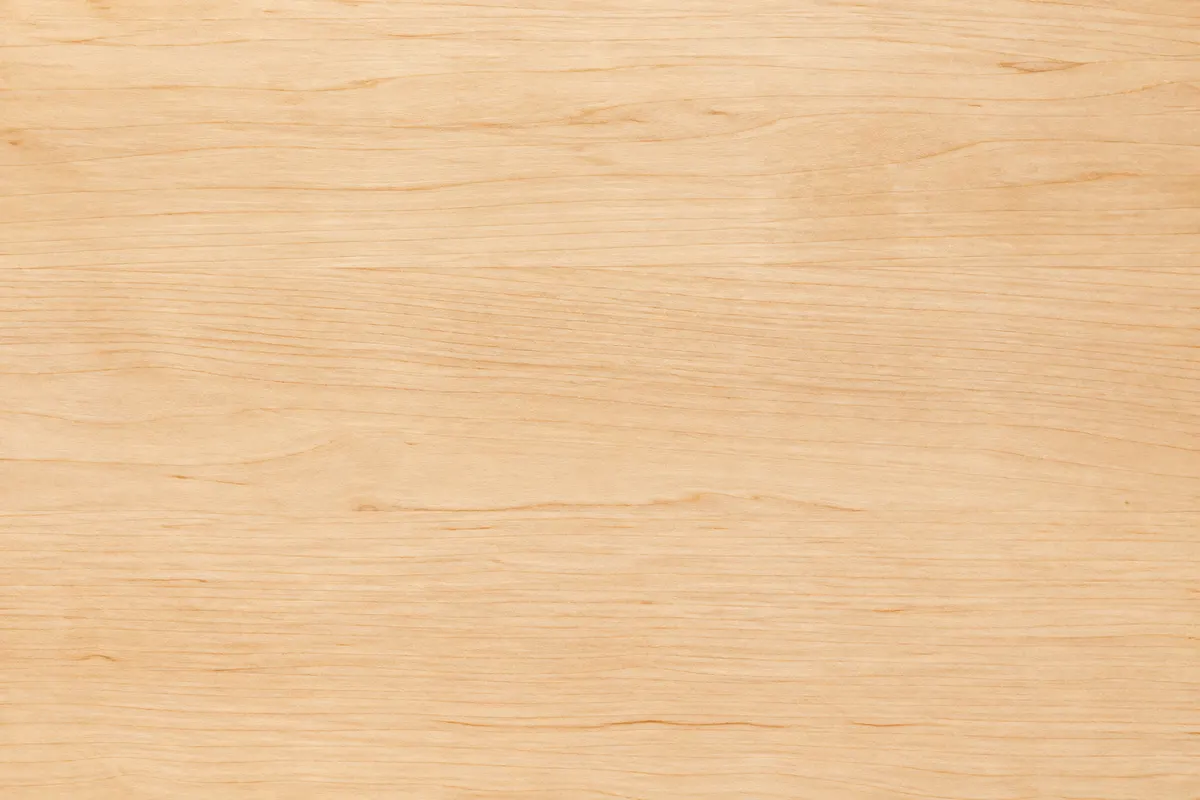
Hard maple
Pale and tight-grained. The quiet stripe that lets the others read.
- Origin
- Northeastern US and Canada
- Hardness
- 1,450 lbf
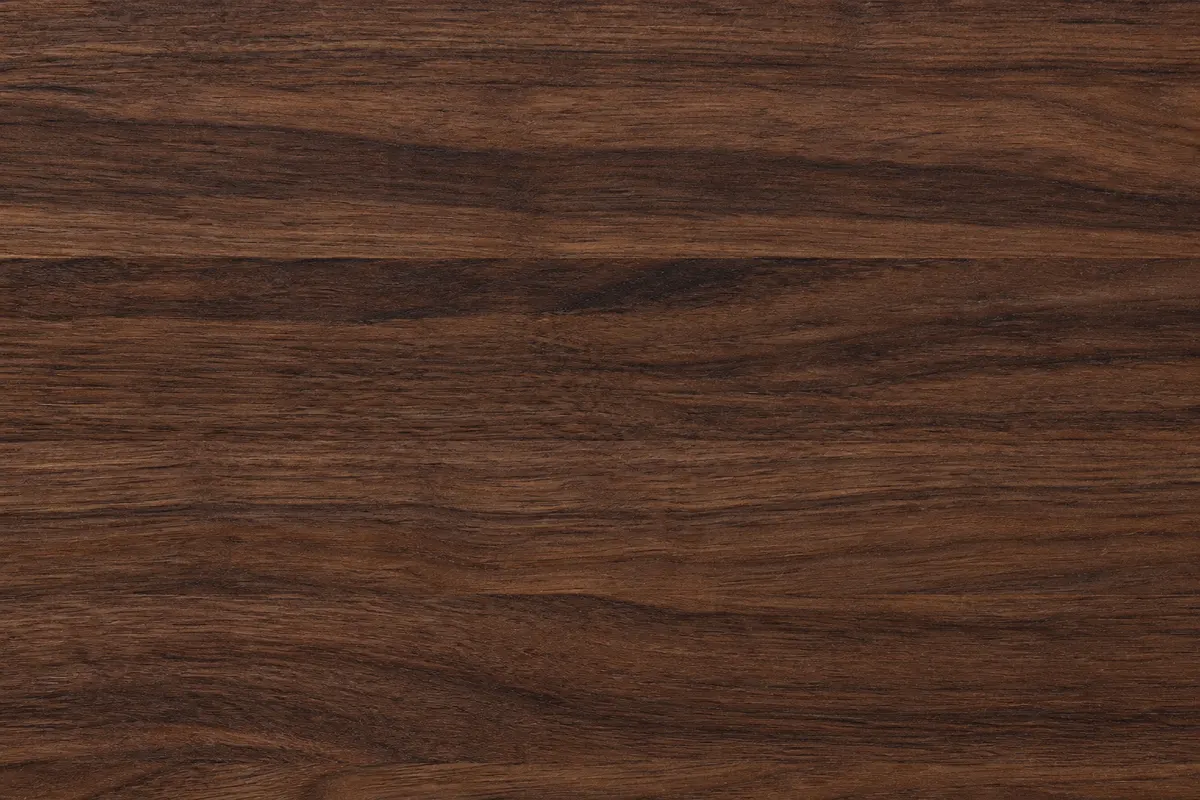
Black walnut
Deep chocolate brown, and gentle on a knife edge.
- Origin
- Eastern US
- Hardness
- 1,010 lbf
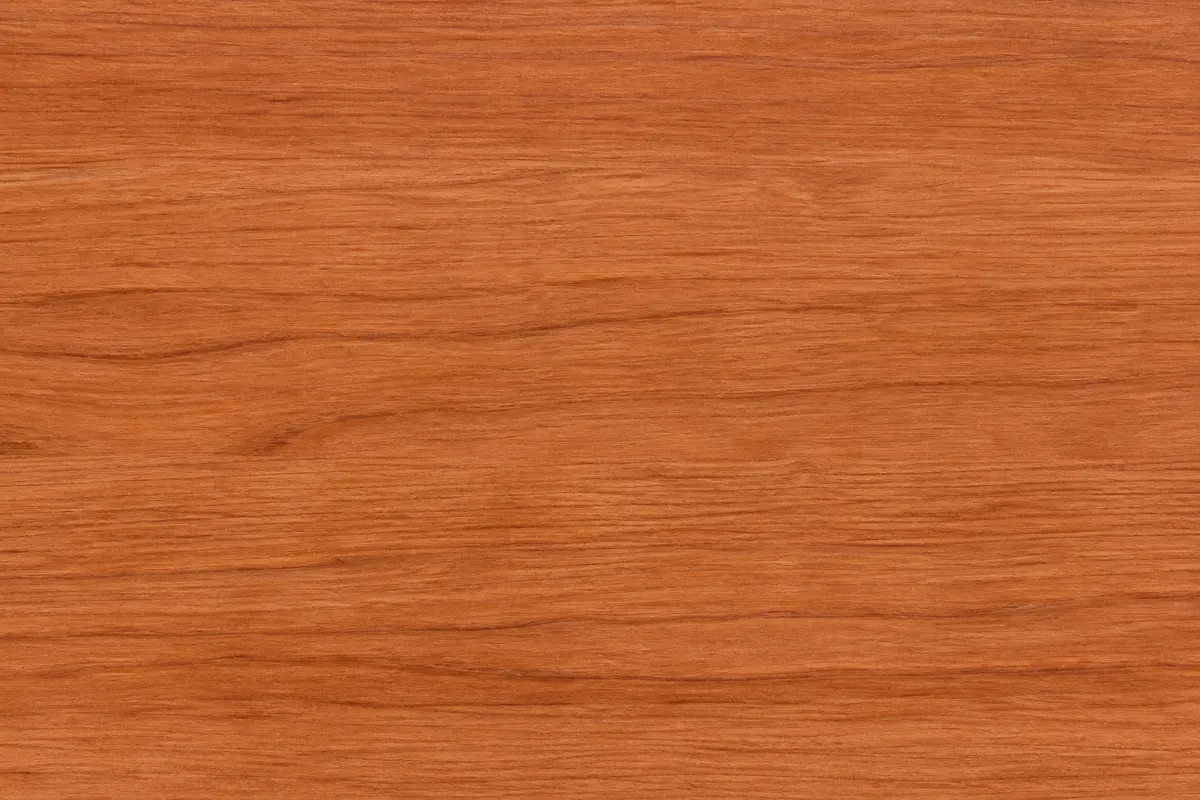
Cherry
Starts salmon-pink and darkens to a rich red-brown over the years.
- Origin
- Eastern US
- Hardness
- 950 lbf
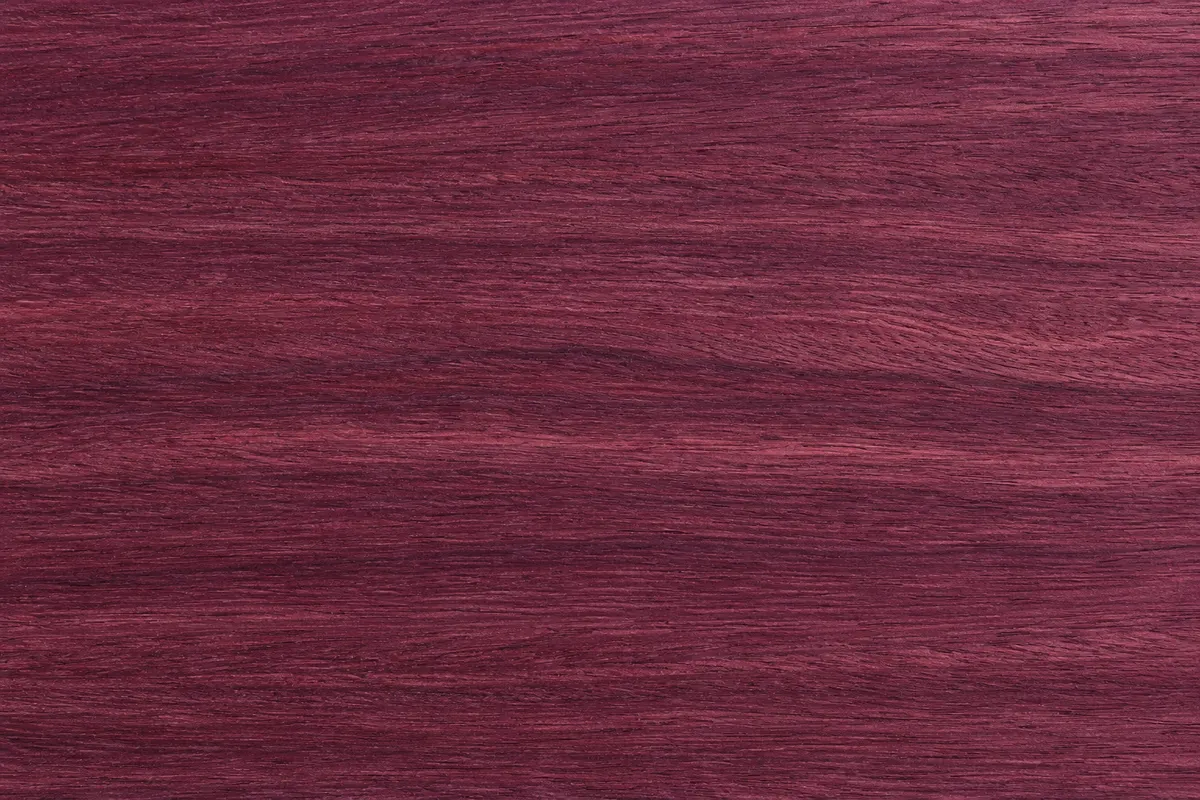
Purpleheart
Cuts brown, then turns violet within hours of meeting the air.
- Origin
- Central and South America
- Hardness
- 1,860 lbf
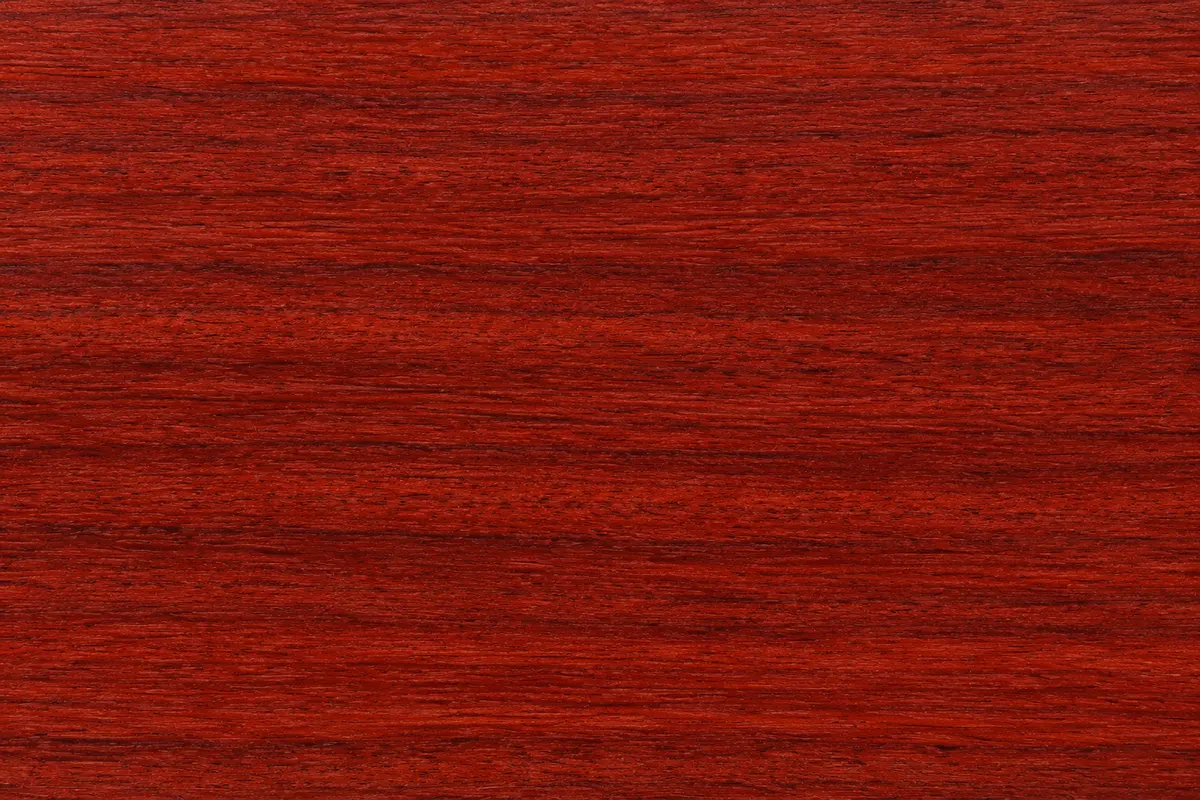
Bloodwood
The hardest wood we use. An even, deep red all the way through.
- Origin
- Northern South America
- Hardness
- 2,900 lbf
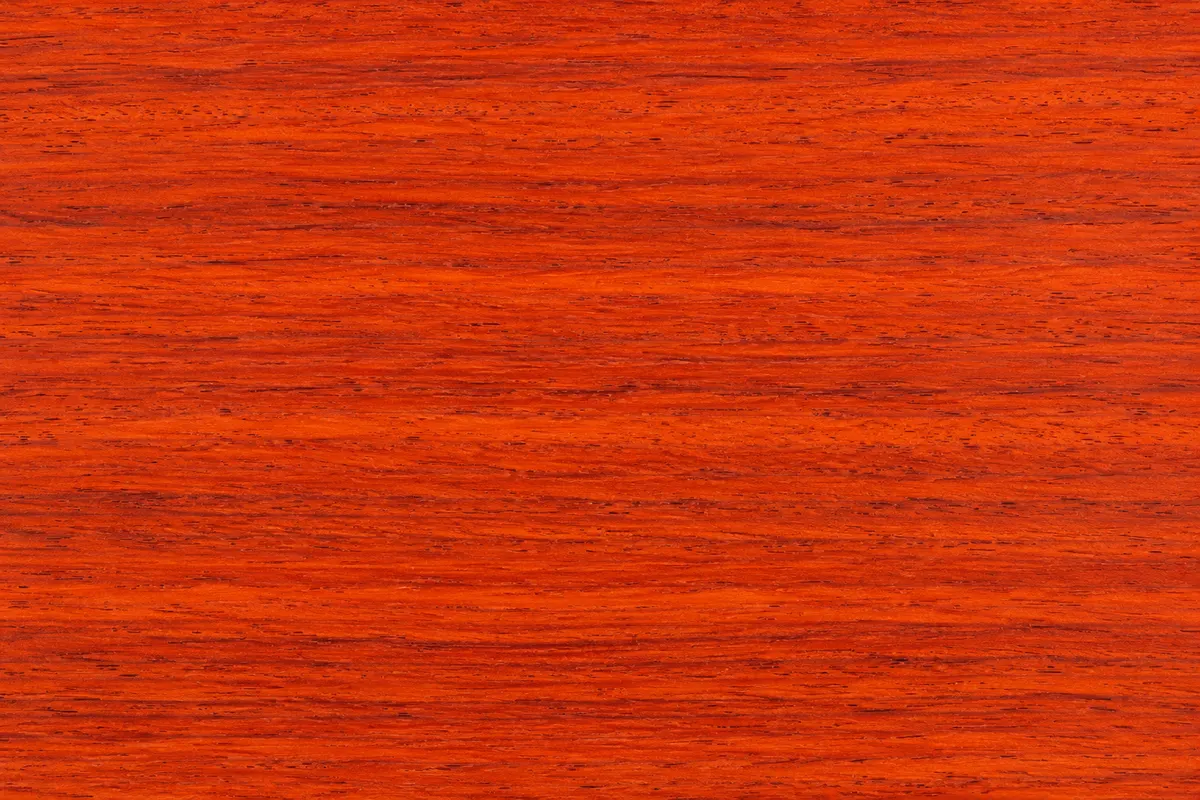
Padauk
Opens bright orange-red and mellows to a warm brown.
- Origin
- Central and West Africa
- Hardness
- 1,970 lbf
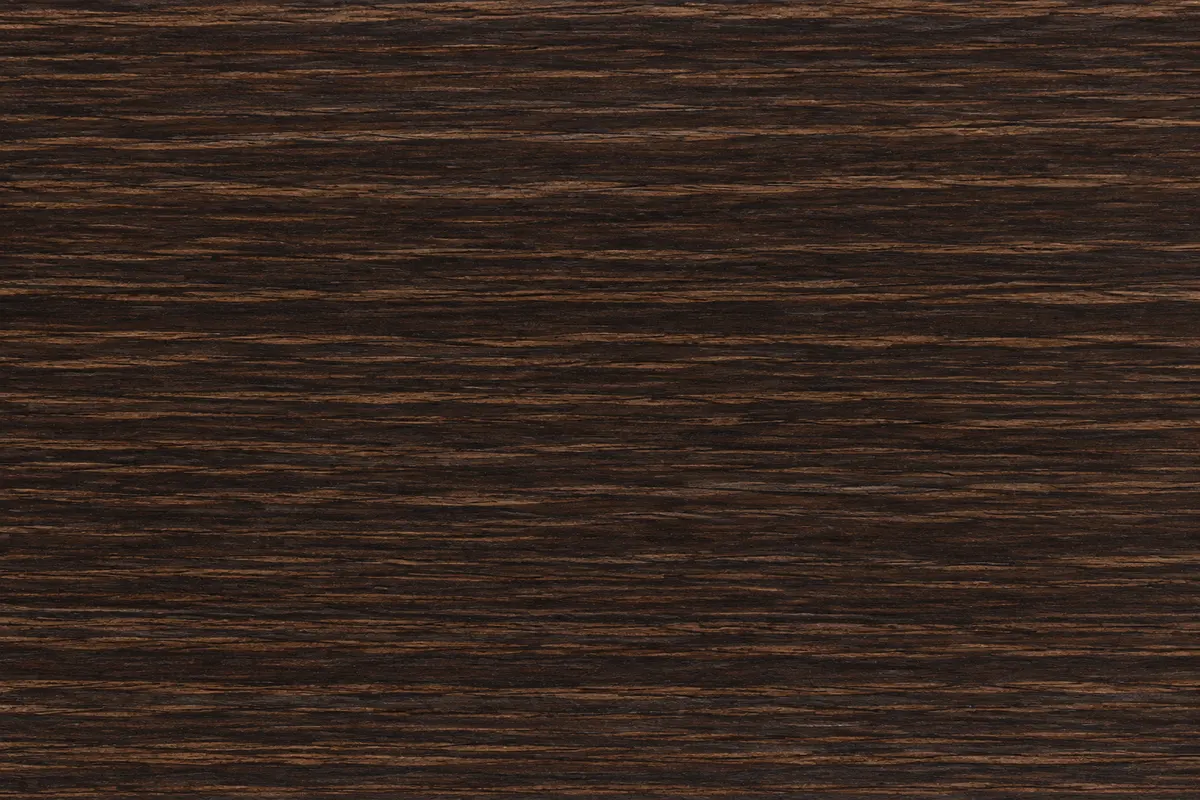
Wenge
Nearly black, with fine lighter streaks running through it.
- Origin
- Central Africa
- Hardness
- 1,630 lbf
Design your own board
Add strips by choosing a wood, and tap a strip on the board to take it out. Send us the design and we reply with a final quote before we cut anything.
9 strips, top to bottom: black walnut, hard maple, cherry, hard maple, black walnut, hard maple, cherry, hard maple, black walnut.
From $265
Email us this designNo mail app? Write to orders@kaizenboards.com with your strips and size.
Care and feeding
Every board leaves the shop finished in mineral oil and beeswax, and ships free within the US.
- Wash it by hand in warm, soapy water and dry it standing on edge. Never the dishwasher, and never leave it soaking.
- Oil it when it looks pale or dry, about once a month. Any food-grade mineral oil works.
- Knife marks are normal. If the surface gets rough, a light sand with fine paper and a fresh coat of oil brings it back.